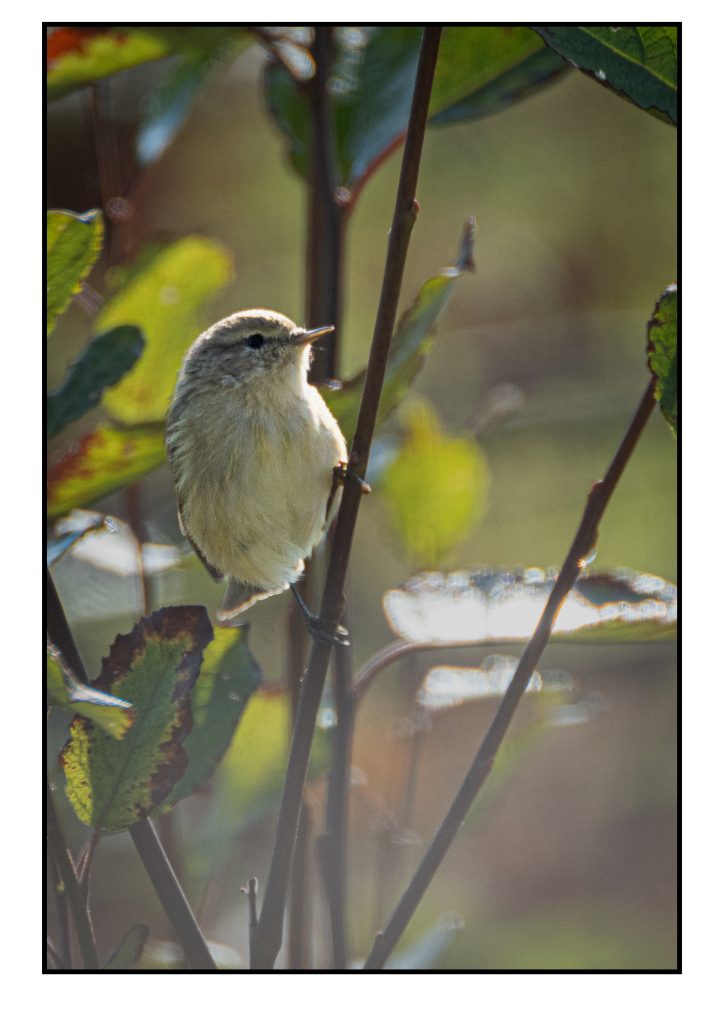
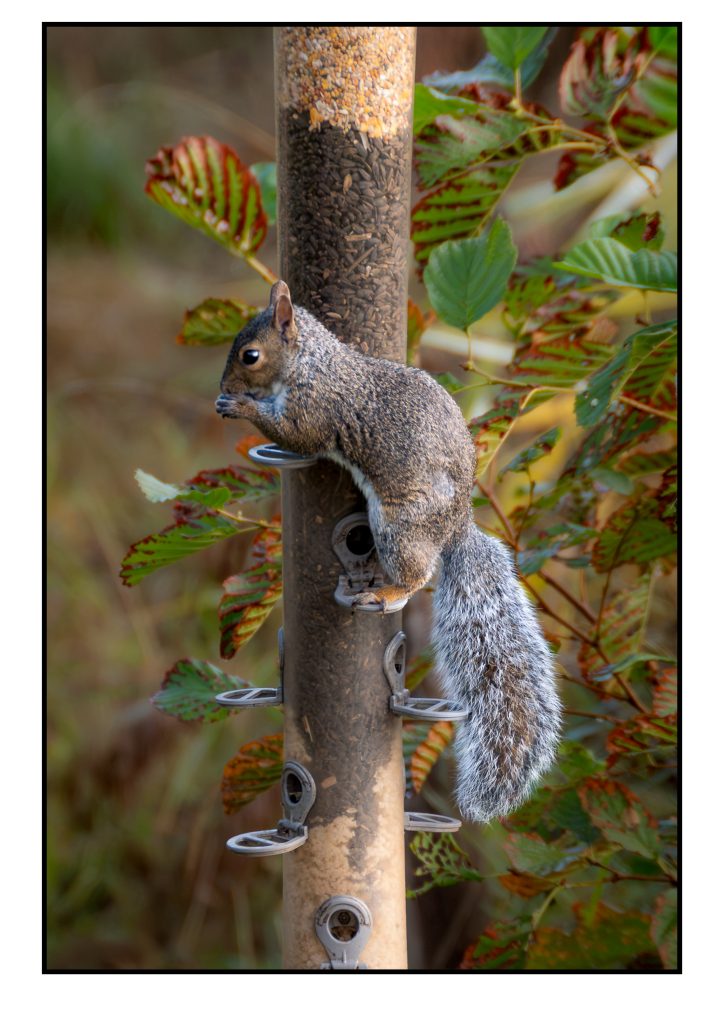
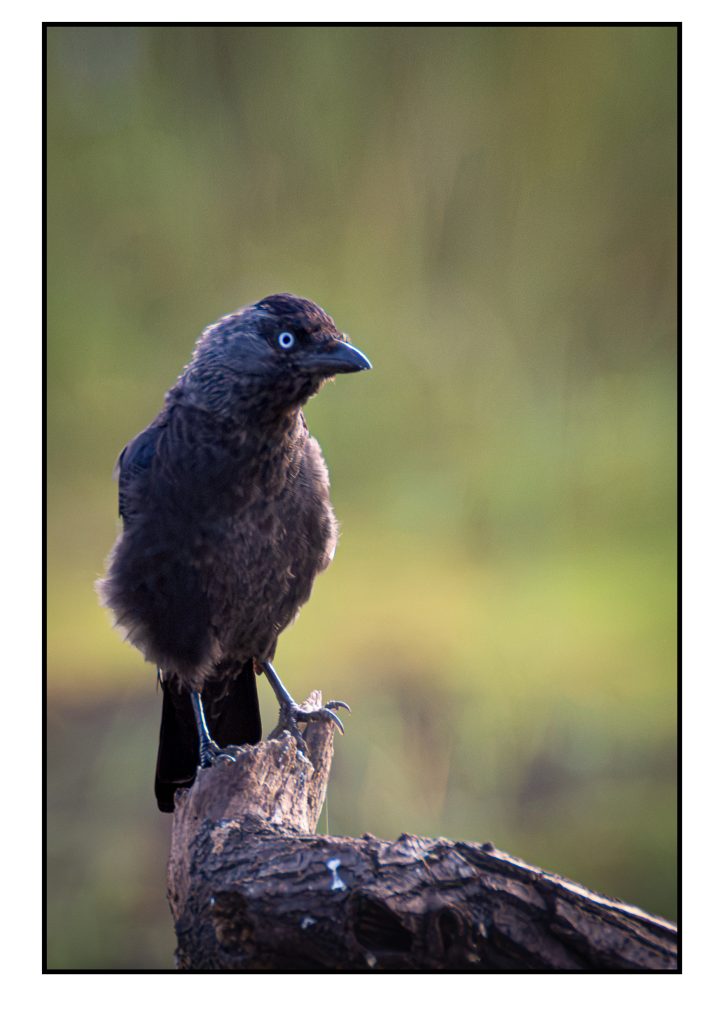
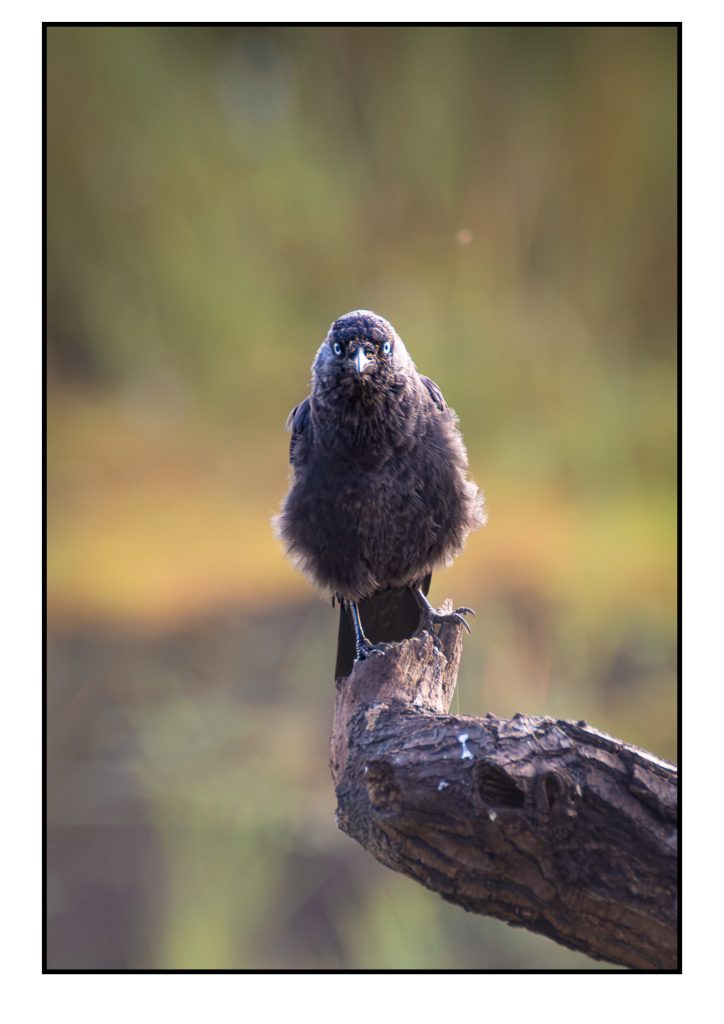
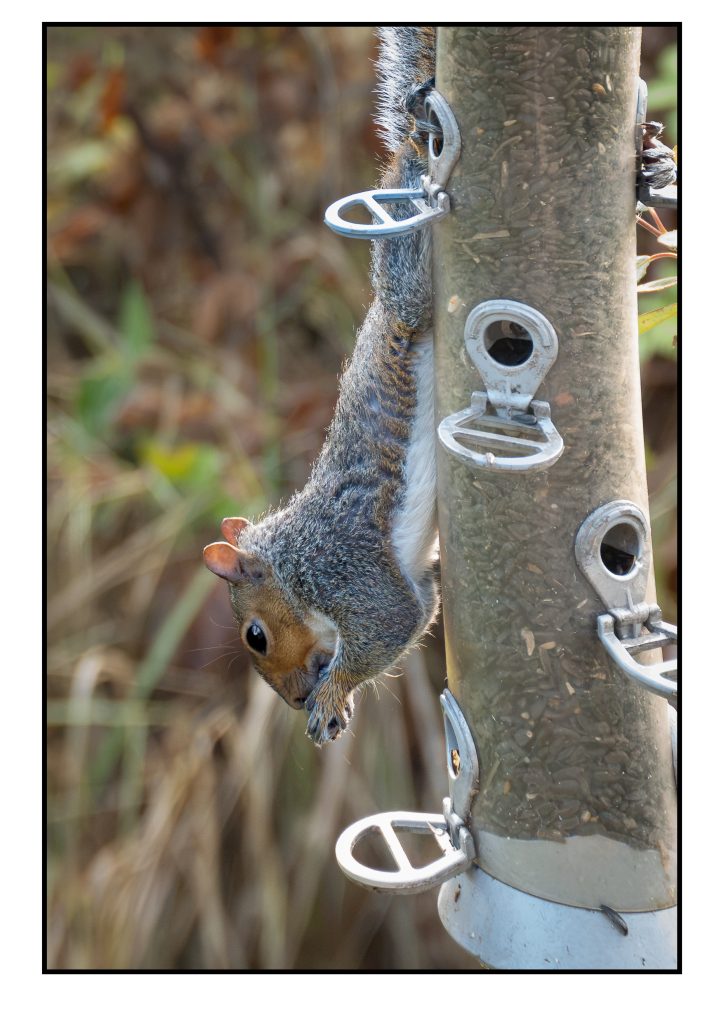
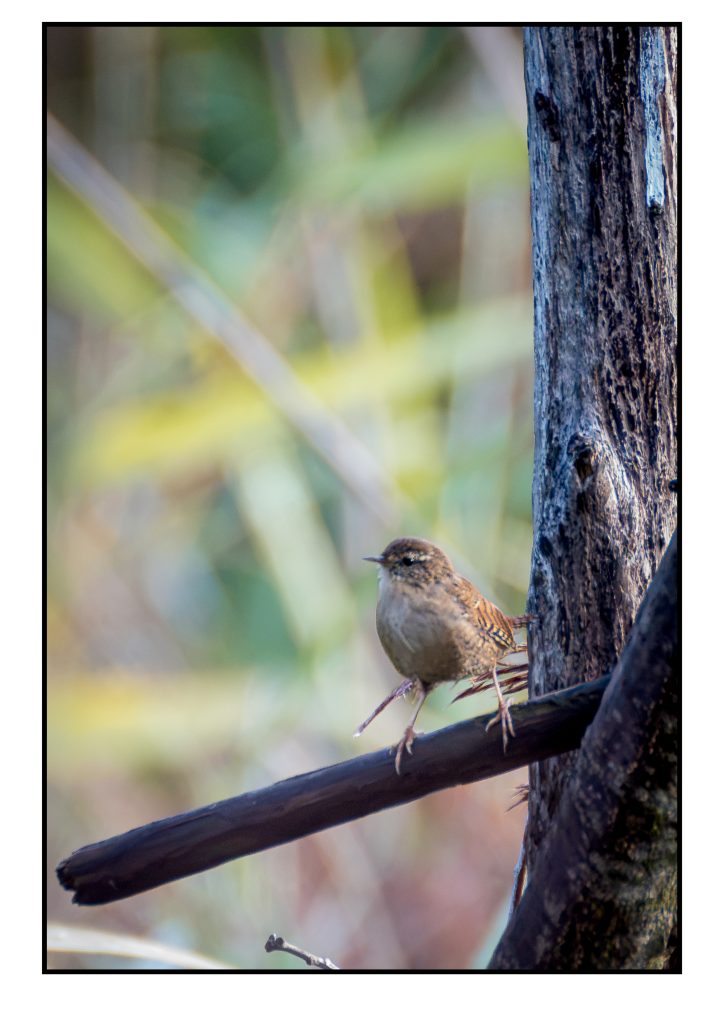
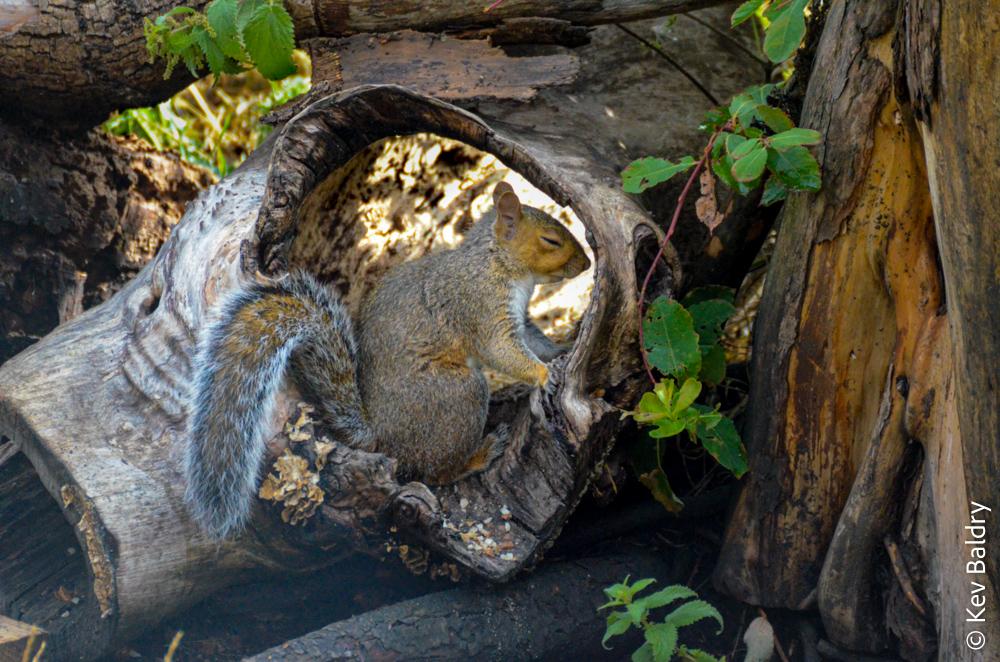
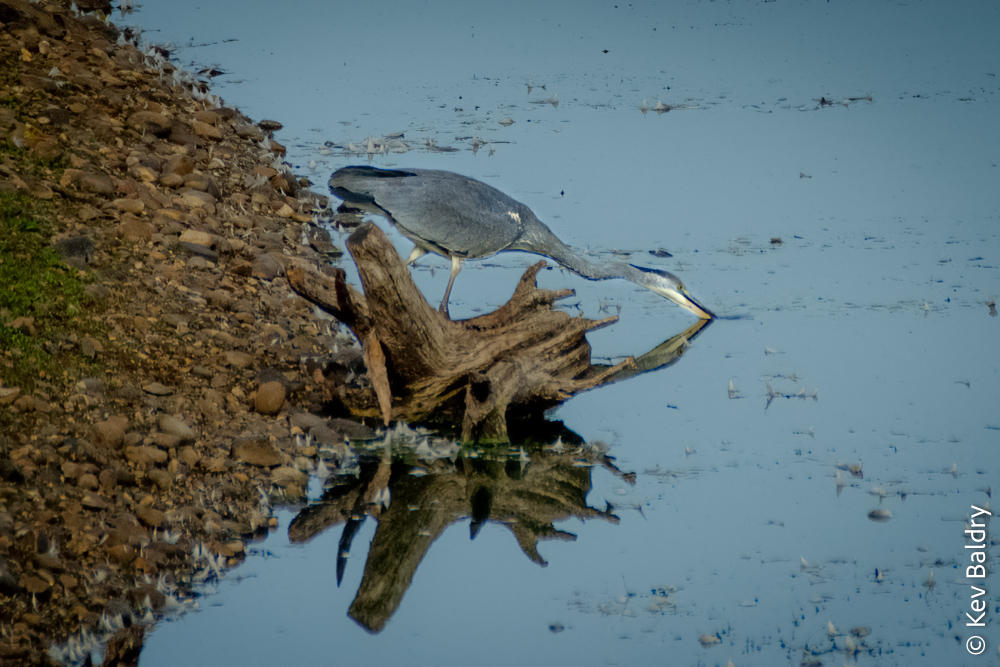
Well, I’ve been to Ladywalk bird reserve a few more times and managed to snap a few birds as well the occasional squirrel or deer.
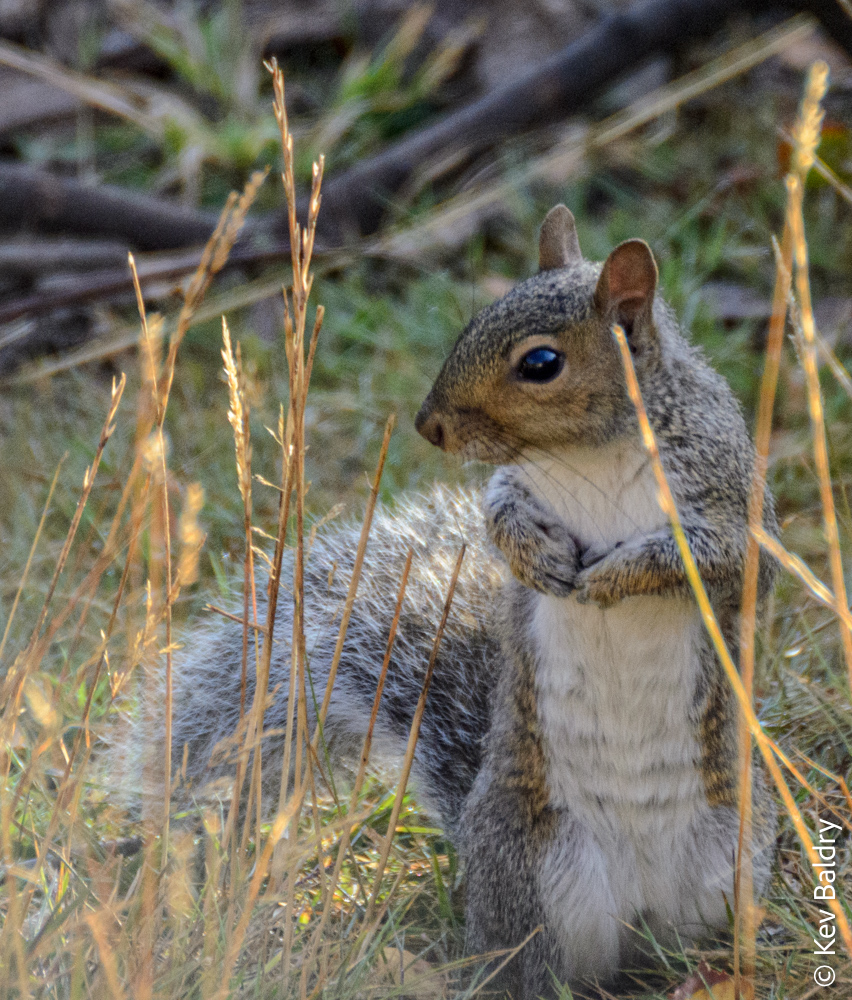
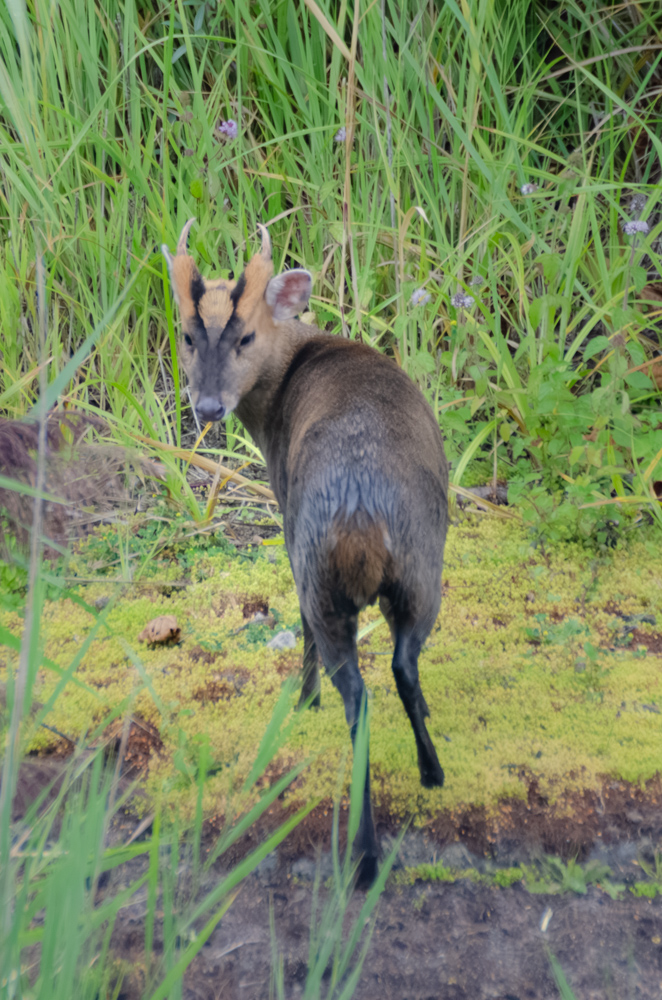
Gear-wise, I’ve splashed out on a long lens – a Sigma 150-500mm beast (although not as beast as some) which will allow me to zoom in that bit closer. It’s taking a bit of getting used to but I’m getting there.
Having the longer lens lets me capture bird that are much further away although I do need to be extra careful to avoid camera shake which involves using a shorter shutter speed, typically 1/1000 to 1/2000 of a second.
To get enough light, the ISO (sensitivity) need to be raised. Normally, a high ISO, results in more noise but (did I mention I’ve got a new camera?) the new camera handles this a lot better than the ‘old’ one.
Having a quick look back at my previous posts, I did mention that I’d got a new camera in the shape of a Nikon D7000. But, that is now the ‘old’ camera as I’ve splashed out on another.
About eight years ago, I owned an excellent Nikon D500 but sold it to fund a new iPhone and have, on and off, regretted it since. However, with the demand of this wildlife photography lark (which I haven’t seen yet) I needed something even better than the D7000 and a D500 fitted the bill perfectly.
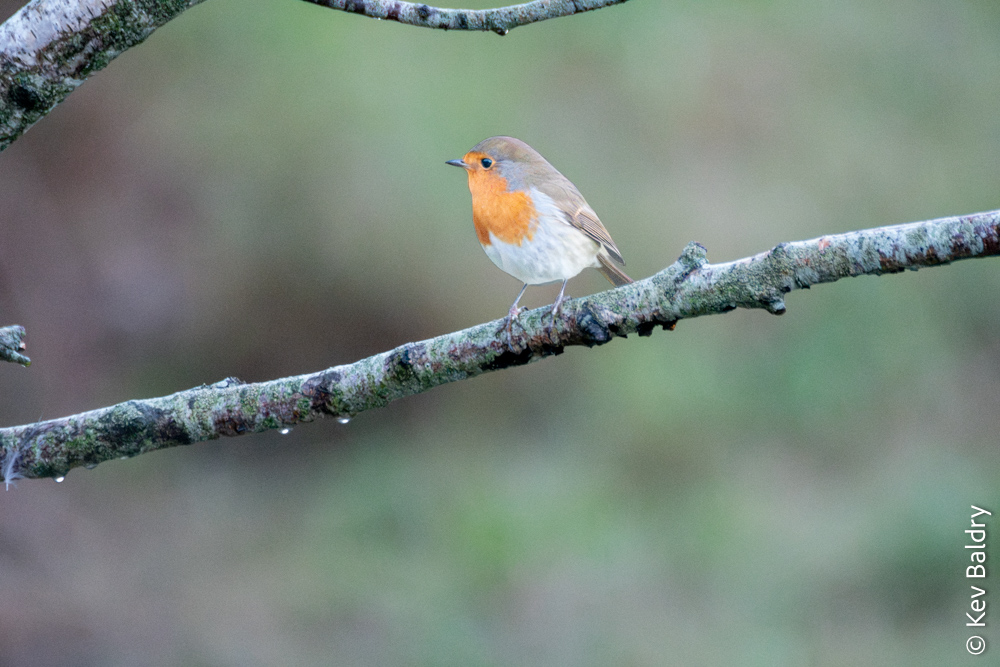
Getting a bit technical, my go-to setting for perched birds are
- 1/1,000 second
- f6.3
- Auto ISO
This will, especially when the light is low, result in a noisy picture but a lot can be cleaned up in Lightroom.
By the way, I’m now using Lightroom Classic which has a few more adjustments not to mention the bells and whistles.
As, I stated at the top of this post, I have been to the reserve a few more times and have managed to photograph …
- Buzzard
- Red Kite
- Blue Tit
- Great Tit
- Jackdaw plus many others.
I’m not particularly good at identifying species but using the power of the internet, I can take a snap of a bird and either Siri or the excellent Merlin Bird ID app will tell me what it is.
I’m still learning but, I think, that my snaps are getting better.